About Danny
I work with leaders who are effective in most areas and stuck on the one that matters.
I notice things people would rather not have noticed. I work with seasoned and new leaders across the US and Europe. I believe in each individual's potential to make an impact, and I bring trust, practicality, and creativity to every session. I have two daughters, which keeps me honest.
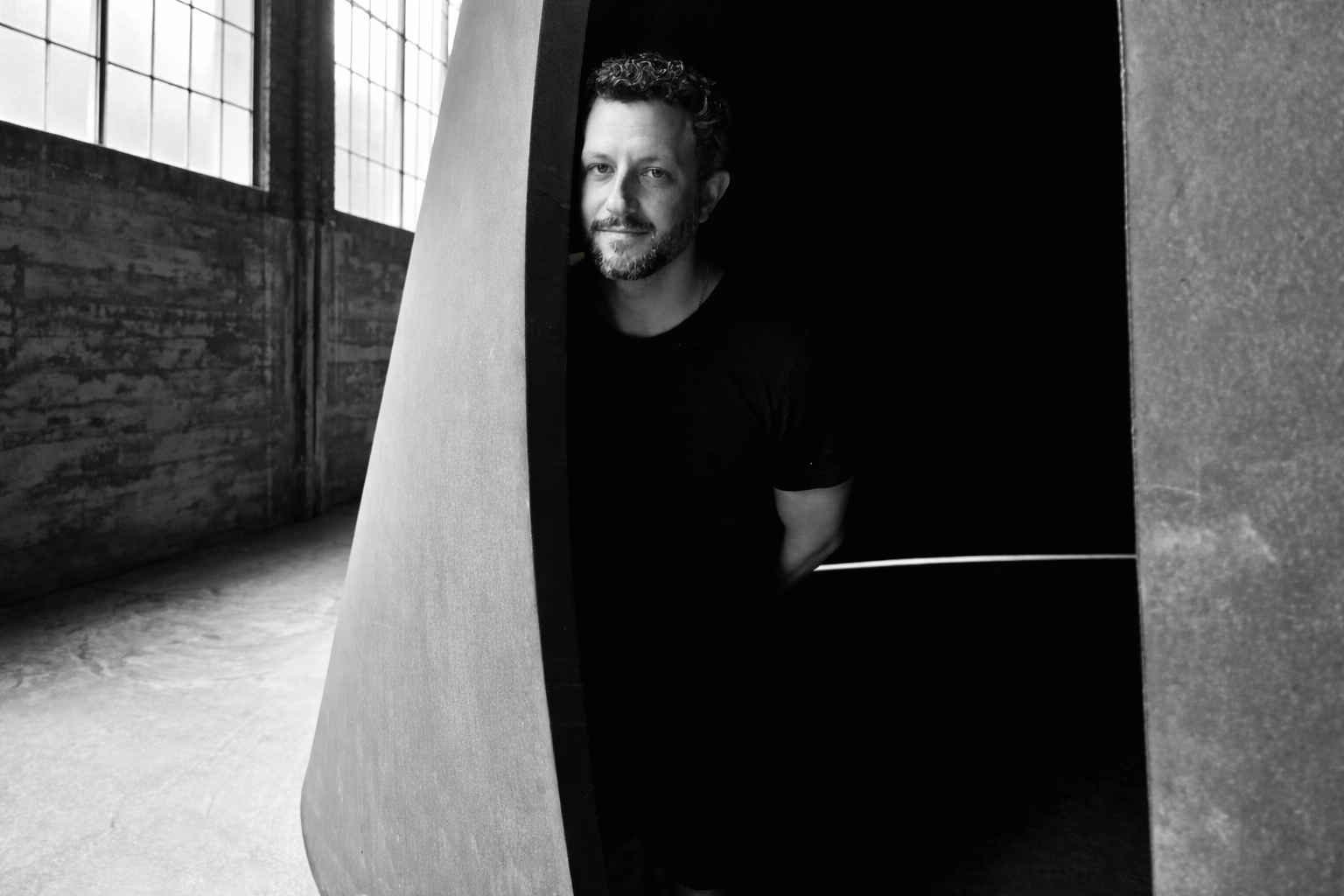
Before coaching
I was an international award-winning photojournalist for fifteen years.
I was a regular contributor to The New York Times, working with world-famous executives, athletes, scientists, and artists. My multi-cultural background put me in rooms I had no business being in, which turned out to be an education. The work itself was not really about photography. It was about understanding people. Reading rooms. Unmasking what was underneath the version someone showed up with.
I call it applied curiosity. The same thing that made me a decent journalist is what makes me a useful coach. That tendency wasn't always comfortable in the field. It became a strength on the other side of the table.
A lot of the work I cared most about was self-assigned. I moved to Poland for a year to look at my own nightmares about the Holocaust. After a relationship collapsed I wandered the New York countryside for months with a camera and made a book out of it. When I realized I knew almost nothing about human sexuality I spent a year meeting fetishists and kinksters. None of these were assignments. They were ways of finding things out.
(I still keep an archive going back almost twenty years. I've started revisiting it. See creative projects for that.)
How I trained
I did it the long way.
I started with my coaching foundation at NYU. From there, CAPP through The Flourishing Center. Then PCC through ICF, and I also trained as a Bounce Back Better Resilience Trainer. Coaching theory has a serious literature and I've spent a lot of time inside it. My uncle finished his doctoral research on coaching, which gave me an early window into how academic the field can get if you let it.
I'm not academic in my practice. I read the research because it's useful. I leave it at the door when it isn't. The room is the room.
The framework I come back to most often is the Three C's: Confidence, Communication, Creativity. Not a formula. A way of naming where the real work tends to live.
What I see in the work
The pattern is the same across industries.
Tech, media, manufacturing, hospitality, Fortune 500s, startups. Doesn't matter. Underneath the surface differences, capable people get stuck the same way. They're performing a version of themselves they built years ago, and the version isn't keeping up with who they are now.
What I see when the work goes well: less time spent negotiating with self before deciding. Faster access to what someone already knows. More willingness to say what's true and stay in the room afterward. People stop performing for everyone else and start trusting themselves. That's the whole game for me.
The rest of it
Two daughters, four and two.
They keep me honest in ways nothing else has. My family mostly lives abroad, which means a lot of travel and a lot of late-night calls. My dad questions everything and is principled to a fault. Some of my approach to coaching comes from him directly. Some of it is a reaction.
I make pottery on weekends when I can. I build things at night. I have a photography archive I've started reopening. I'm not a one-thing person and I've stopped trying to become one.
If any of this lands, get in touch.
Most conversations start with a question or a situation. If you're not sure whether the work is relevant, ask.